


[Epistemic Status: Seems plausible, there are existing results but I haven’t fact checked thoroughly]
Someone asked me recently: “would it be possible to turn crude oil into food?”
I have been thinking about it, and I think its possible. After looking it up, it seems like something that has also been tried and done already!
Basics of Oil
Crude oil is mostly chains of basic carbons in the form CH4, or C2H6, or C3H8, etc… there exists processes to separate out the oil into different lengths, and different lengths can be used for different things.
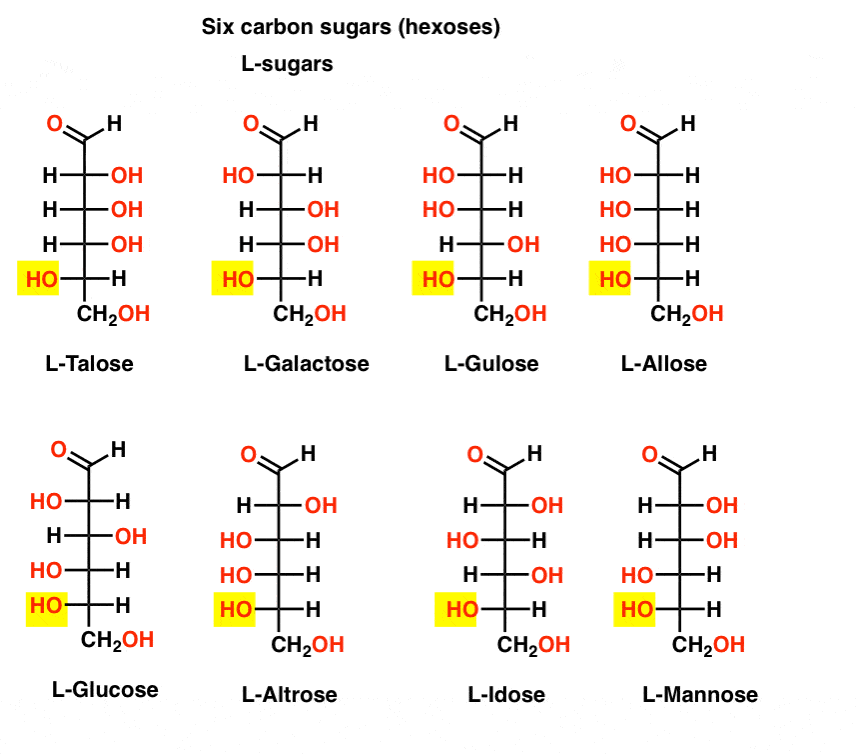
Sugars like glucose are slightly different, they have these chains of carbons and hydrogens, but are partially oxidized. Additionally, there is a dependence on the position where these oxidized (chirality).
Is there any way we could transform something like C6H12 → C6H12O6? Or if we manipulated the process, could we get proteins (which also have nitrogen) or fats instead?
Energy is Easy
Luckily the energy profile is on our side here.
Oil is roughly ~45MJ/kg, meanwhile glucose is only ~16MJ/kg.
This means that it, on-net, releases energy to go from oil to sugar. This has some issues with potential management of heat, but it is often easier to cause reactions that are exothermic.
Conversion is Annoying
Converting these chains into precise chemicals is hard to do with normal chemistry procedures. It is possible to create some mix of different chiralities of glucose, but this is no good for us.
Instead, we need to rely on micro-organisms to do the job for us. This means that its more annoying to work with, but its at least doable.
One experiment in the 1960s managed to create proteins from oil at Grangemouth Refinery using yeast, by providing paraffins, ammonia and salts, on a scale enough to feed animals. :
In the 1960s, a pilot "proteins-from-oil" production facility was built at the refinery. It used BP's technology for feeding n-paraffins to yeast, in order to produce single cell protein for poultry and cattle feed.[4]
but there are also other microorganisms that could potentially be used to create sugar. However the process seems harder. The main hope seems to be Alcanivorax which grows on oil spills, and here is the process that claude suggests might help:
when Alcanivorax borkumensis (the dominant oil-spill bacterium) is grown on alkanes, proteomics shows exactly the glyoxylate-bypass and gluconeogenesis enzymes get upregulated _ the cell visibly reconfigures itself to run carbon “uphill” from acetyl-CoA back to sugars (Sabirova et al., J. Bacteriol. 2006 (https://pmc.ncbi.nlm.nih.gov/articles/PMC1482905/)). That same organism even secretes a glucose-lipid biosurfactant built from sugar it synthesized entirely from oil.
How practical is this?
If there was some food shortage, it would probably not be the first think you would want to try, but it does seem in principle possible. The conversion ratios are not that high, there are byproducts, you need to keep bacteria alive,
The global oil production is also something like ~15,000 kcal per person per day, so it does seem at least possible in principle to achieve, even with 10% yield, enough food for everyone to survive on for a few years, even if it would likely need a lot of manufacturing equipment, and this would trade off with the energy being used for different things.
But it seems non-zero worth considering.
Allfed has done similar work looking at converting natural gas into food (using a species of bacteria iirc) and it seems like a viable approach.